21/10/2026 13:13
New Pocket Layout, Old Demo? YouTube Video Replacement for Cambodian Tool-Roll Shops
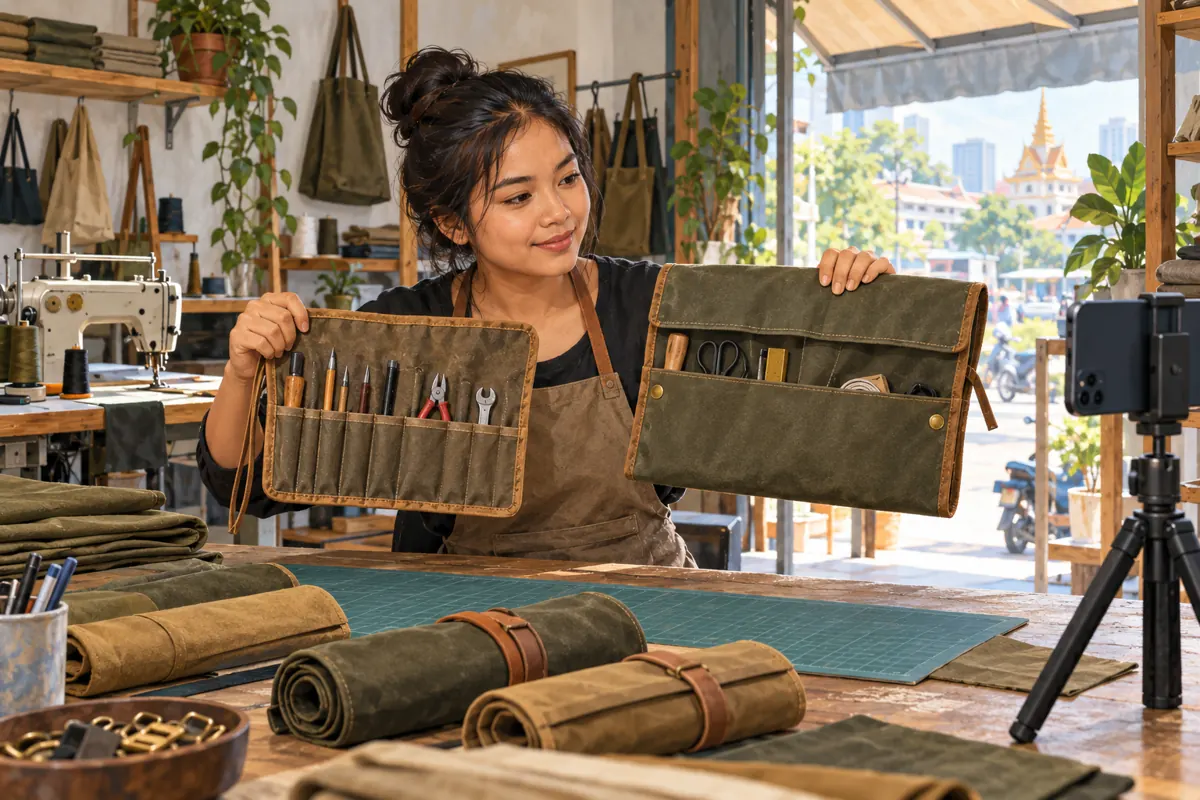
A product demonstration can remain persuasive after the product itself has changed. For a Cambodian shop selling canvas tool rolls, an older video might show narrow pockets while current stock has a wider compartment and a different closing flap. Customers who watch that demonstration may ask for a configuration the shop no longer supplies. The practical challenge is connecting each demonstration to the correct product, then making the current version easy to find. This guide explains how to decide whether a new upload is necessary, move everyday promotional references to the right destination and handle existing SMM records without rewriting their history. The shop scenarios below are hypothetical, not customer results.
1. Start with the difference a buyer would notice
Place the current tool roll beside the version shown in the existing video. Compare pocket openings, flap coverage, fastening method and what comes with the purchase. Write one plain sentence describing the meaningful difference. For example, in a hypothetical Phnom Penh workshop: “The current roll has a broad compartment for larger accessories; the previous version has separate narrow pockets.” That sentence becomes the basis for deciding what needs filming.
Separate a product change from a stock update. A different delivery date may require revised sales information, while a changed pocket arrangement requires different visual evidence. Also check whether tools shown inside the roll are included or merely demonstration props. A viewer should not have to infer the package from attractive footage. Ask the person preparing orders to confirm these details before the editor starts work.
2. Decide whether to edit information or film again
YouTube explains that an uploaded video cannot be replaced with another file: a new upload receives a new URL. Its official guidance lists changes available for an existing video, including editing its title or description and trimming footage. These options help when the remaining demonstration is still accurate. They do not turn footage of one pocket layout into footage of another.
Use a simple editorial test: can a customer still understand the current product correctly by watching the pictures and listening to the explanation? If yes, a limited information update may be sufficient. If the central demonstration shows a different product, prepare a new video. Avoid trying to repair a misleading visual with a small qualification that customers may overlook. The amount of work should follow the significance of the difference, not attachment to the old video's activity.
3. Give each product version a usable identity
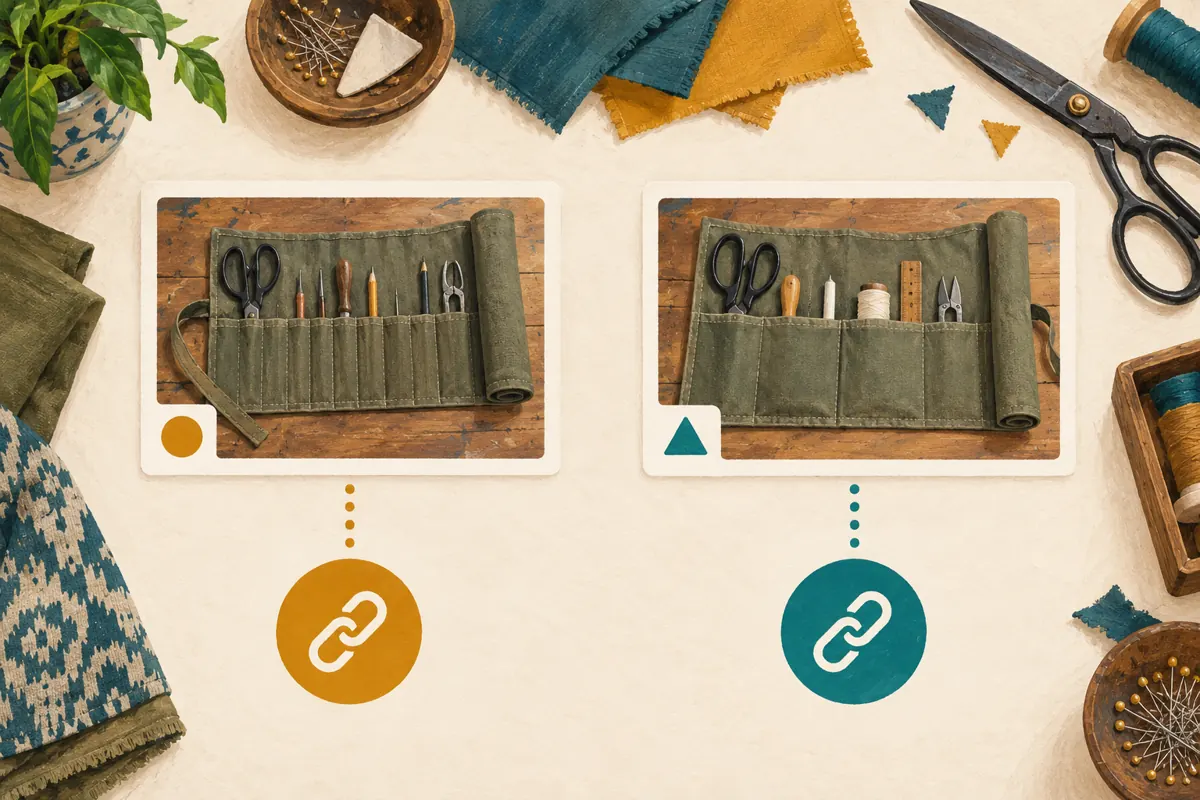
In a hypothetical Siem Reap shop, both pocket layouts remain available during a stock transition. Calling one “new” and the other “old” creates ambiguity as more batches arrive. The shop instead uses stable internal references such as TR-Narrow and TR-Wide, alongside descriptions customers can understand. These are illustrative references, not established product standards. Staff use the same reference on the filming note, stock record and quotation.
Create a short comparison note with the product reference, distinguishing feature, available package and intended demonstration. Include a clear photograph of the actual sample being filmed. If the business serves customers in Khmer, prepare its customer-facing explanation in natural Khmer, preserving any genuine model codes. An English administrative note should not become an obstacle for the colleague answering local enquiries.
4. Film the change before adding promotional polish
Build the replacement demonstration around the question that caused the confusion. Show the roll fully open, bring the changed compartment closer to the camera, then demonstrate closing it with suitable contents. Keep the product reference consistent throughout filming. If the sample changes halfway through a session, stop and label the footage before continuing; similar fabric colours can conceal different stitching layouts.
Explain what the demonstration establishes and what it does not. A particular pair of scissors fitting into a pocket does not establish that every pair will fit. Show the relevant opening and explain how customers can provide their own tool dimensions. For custom work, distinguish the filmed sample from options requiring a separate quotation. Record a useful product explanation first, then select an appealing opening shot that accurately represents it.
5. Review the new destination as a customer
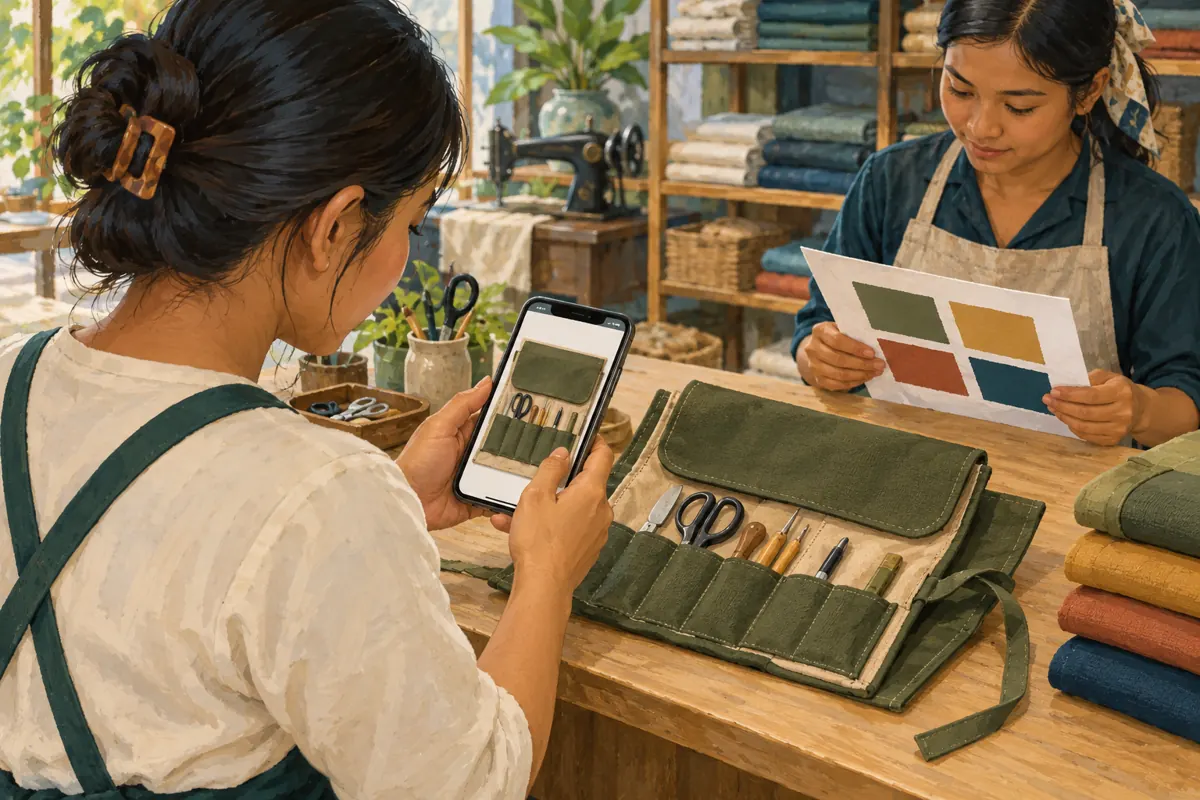
After uploading the approved footage, record its exact watch-page URL beside the current product reference. Ask a colleague who did not edit the video to open that link on a phone and identify the product shown. Have the physical sample available for comparison. The reviewer should check the opening, changed pocket, closure demonstration and purchase instructions rather than approving only the thumbnail.
Use a realistic enquiry as the final test. For example: “I need the version with the broad compartment; are the tools included?” The video and accompanying information should support a consistent answer. Confirm that the intended audience can actually open the destination before distributing it. A correct file in the creator's working environment is not enough if a customer encounters an inaccessible page or follows a different saved link.
6. Update the routes customers already use
Make a small inventory of places where the previous demonstration was shared: product pages, reusable message replies, social posts, printed inserts and staff reference documents. Assign each location to someone who can review it. Start with the routes used for current sales conversations. Updating a rarely visited archive while leaving the daily quotation reply unchanged will not resolve the immediate confusion.
For each editable location, replace the reference and then open it from that location. Do not mark a task complete merely because someone pasted a new address into a draft. Printed materials need a separate decision because distributed paper cannot be edited remotely. Stop issuing obsolete inserts, prepare corrected replacements and give counter staff a clear explanation for customers arriving with earlier material. Record any references the shop cannot control.
7. Decide what purpose the earlier video still serves
An earlier demonstration may still help customers who own that version. If you retain it for that purpose, make the product identity and historical context clear. Do not continue presenting it as the default explanation for current stock. If both versions remain on sale, give each an unambiguous description and let the enquiry process establish which one the customer wants.
Deletion deserves a separate decision. YouTube states that deleting a video is permanent and recommends keeping a backup if you want to watch it later. Preserve the source footage and useful internal notes before considering removal. Choose the old video's future according to customer needs and accuracy, not simply a desire to tidy the channel. Keep a record of the decision so another staff member does not mistakenly restore an obsolete promotional reference.
8. Keep SMM service records attached to their original target
For readers using smm-cam.com, a replacement upload is also a recordkeeping event. An existing service request may identify the earlier URL. Keep that submitted address in the historical record and add a separate note explaining the product-video change. Do not overwrite the original target or assume an order can be transferred, cancelled or refunded. Any available remedy depends on the documented service terms and the response to the specific request.
The supplied catalogue includes “YouTube Like ~ Max 500k ~ 50k/days ~ Instant ~ 𝐍𝐎 𝗥𝗘𝗙𝗜𝗟𝗟”. Its title identifies a likes offer, but the brief provides no supporting description. The wording does not establish delivery performance, audience origin or suitability for either video. Purchased engagement is not evidence of genuine interest, sales, ad delivery or Cambodian viewers. A product change does not create a reason to buy activity for a replacement upload.
YouTube prohibits artificial increases in engagement and warns that a hired promoter's actions can affect the channel. Reject promotion methods that violate that policy; outsourcing does not remove responsibility. Keep panel administration separate from the decision about how to reach customers. Useful alternatives include sharing the accurate demonstration in relevant, welcome conversations and making current product information easier to find.
9. Judge the transition by resolved confusion
Define success in terms of the problem being fixed. Can staff send the correct demonstration without searching through several nearly identical links? Can customers distinguish the pocket layouts? Are current quotations attached to the right product reference? These are practical review questions. A larger visible counter does not answer them, and a new video's activity should not be treated as a continuation of the previous video's business results.
Keep a brief enquiry log during the transition. Note the product version requested, the confusing reference if the customer identifies it, and the clarification provided. Record only information needed for the review. If several conversations reveal the same misunderstanding, revise the explanation or sharing route responsible. Avoid declaring that the replacement increased sales unless order records actually support that conclusion and competing explanations have been considered.
10. Avoid the mistakes that make two videos harder to manage
The most common editorial mistake is changing the title while leaving a contradictory demonstration. Another is giving both uploads almost identical names and thumbnails, then expecting busy staff to remember which is current. Use a visible product distinction that remains meaningful later. Also avoid distributing the new link before checking the purchase instructions; accurate pocket footage can still accompany an outdated package description.
The operational mistake is treating upload completion as transition completion. A replacement is useful only when the relevant customer routes point to it and exceptions are understood. Give one person responsibility for reviewing the remaining old references. Keep a compact handover containing the current product reference, approved URL, earlier video's purpose and unresolved locations. This lets the next colleague continue the work without guessing from chat history.
Frequently asked questions
Can we upload the corrected file and keep the same YouTube link?
No. YouTube gives a new upload a new URL. Plan the replacement as a new destination and review the places that share the earlier address. If only written information is wrong and the demonstration remains accurate, assess whether editing that information resolves the problem before creating another video.
Should we remove the earlier demonstration immediately?
Base that decision on what it shows and who still needs it. Existing customers may benefit from a clearly identified demonstration of their version. A misleading sales reference needs prompt attention, but deletion should follow a deliberate review and backup decision rather than being the automatic first step.
What if the shop still has both pocket layouts in stock?
Give each version a stable reference and a separate, accurate explanation. Ask customers which arrangement they need before confirming the order. Staff should check the requested reference against the item being packed; a video selection alone should not substitute for confirming the actual product.
Can an existing panel order follow the replacement video?
Do not assume so. Preserve the submitted URL and order identifier, then consult the applicable terms or request clarification about that specific order. Keep any proposed new destination separate from the original record. Also assess the promotion method against YouTube's rules before considering further activity.
How can a small team maintain this workflow without a complicated system?
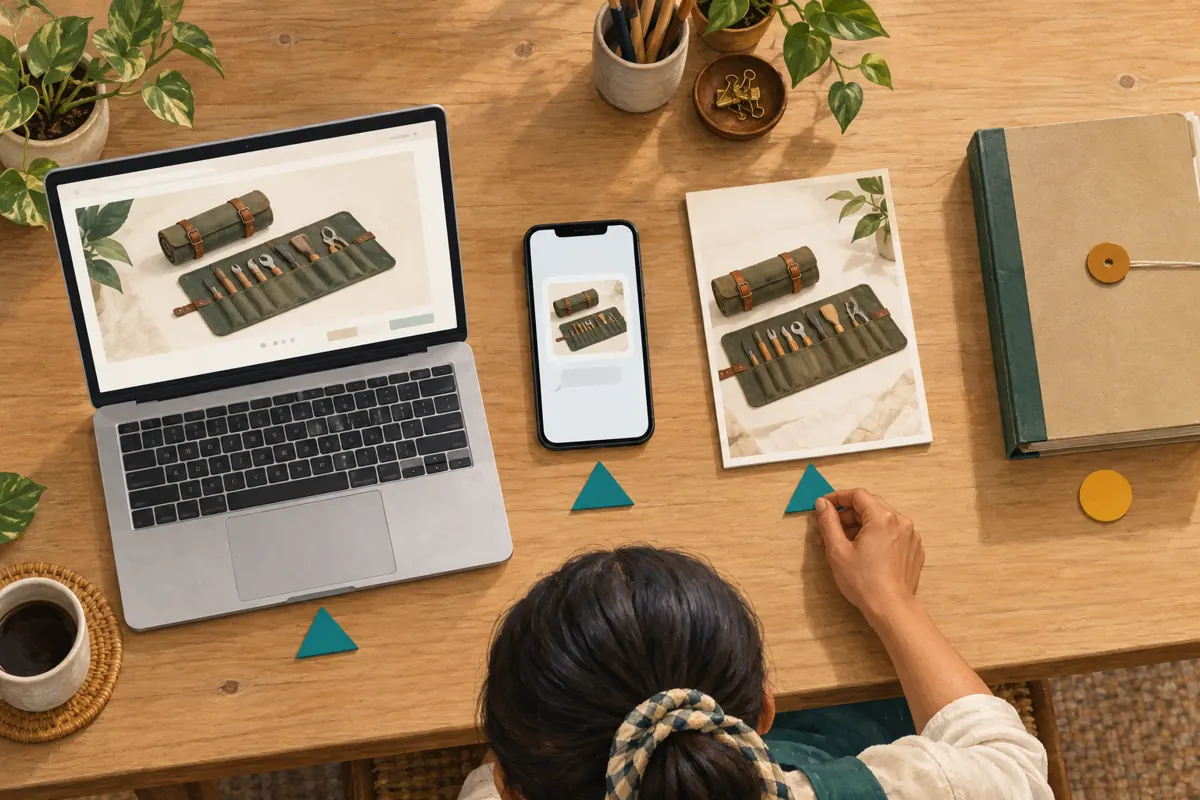
Use one shared reference sheet with a row for each product version, its approved demonstration and the main places the link is used. Add an owner and review note for unresolved locations. Update that sheet whenever the product changes, and use it during quotations and staff handovers.
Explore the current service catalogue, create an account, or ask a specific question through support tickets.
Prepared with AI assistance. Illustrations explain the workflow and do not represent customer results.